Reading groups observations of New Entrants- 28.6.18
Today I had CRT and as my Teacher as Inquiry this year is on adapting the Reading programme to include Play Based Learning I decided to go and observe the other classes.
New Entrant Classes
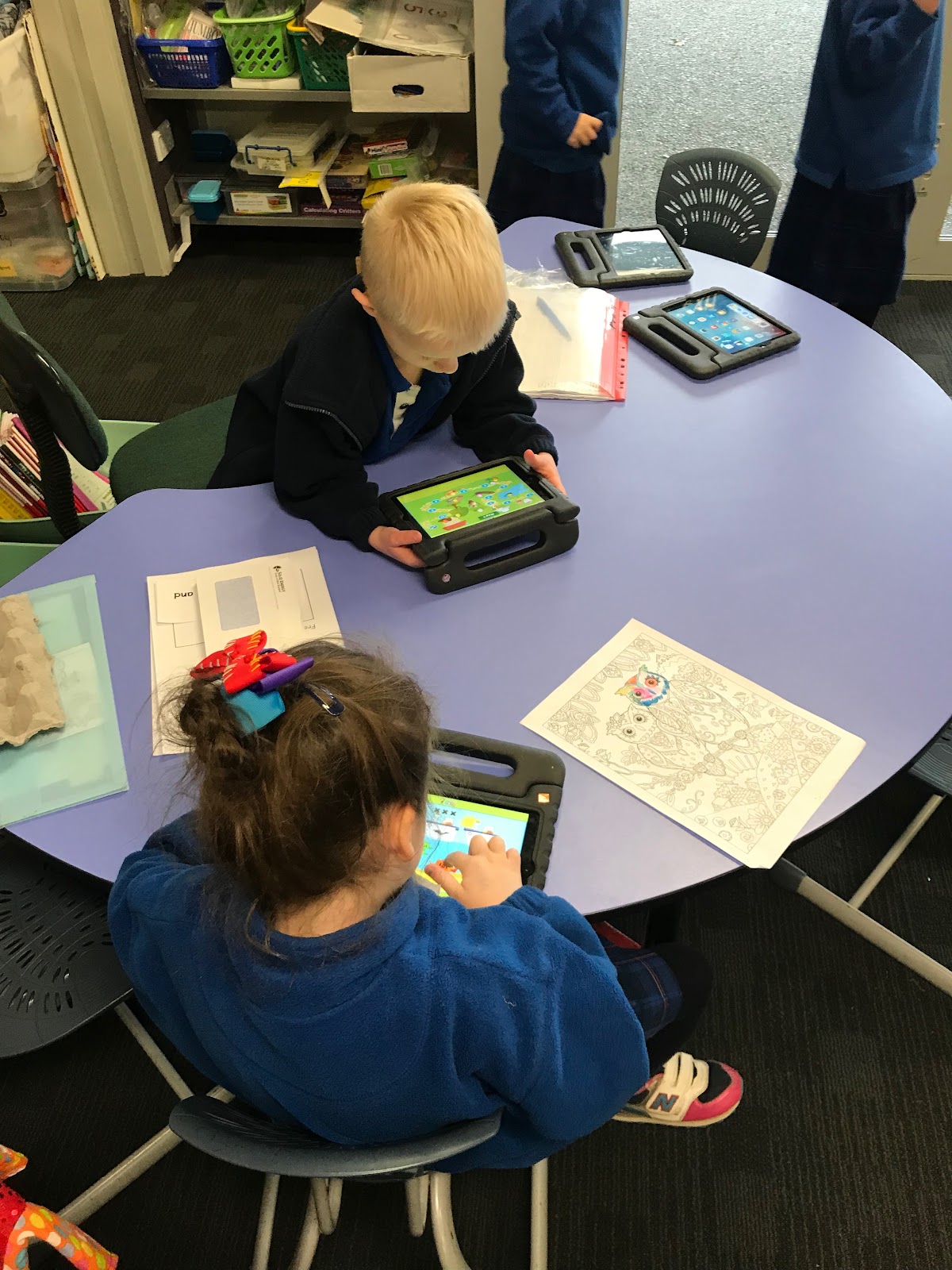
Play based learning stations while two teachers read with reading groups in Room 3. One teacher roving and using social coaching in Rooms 1 and 2.


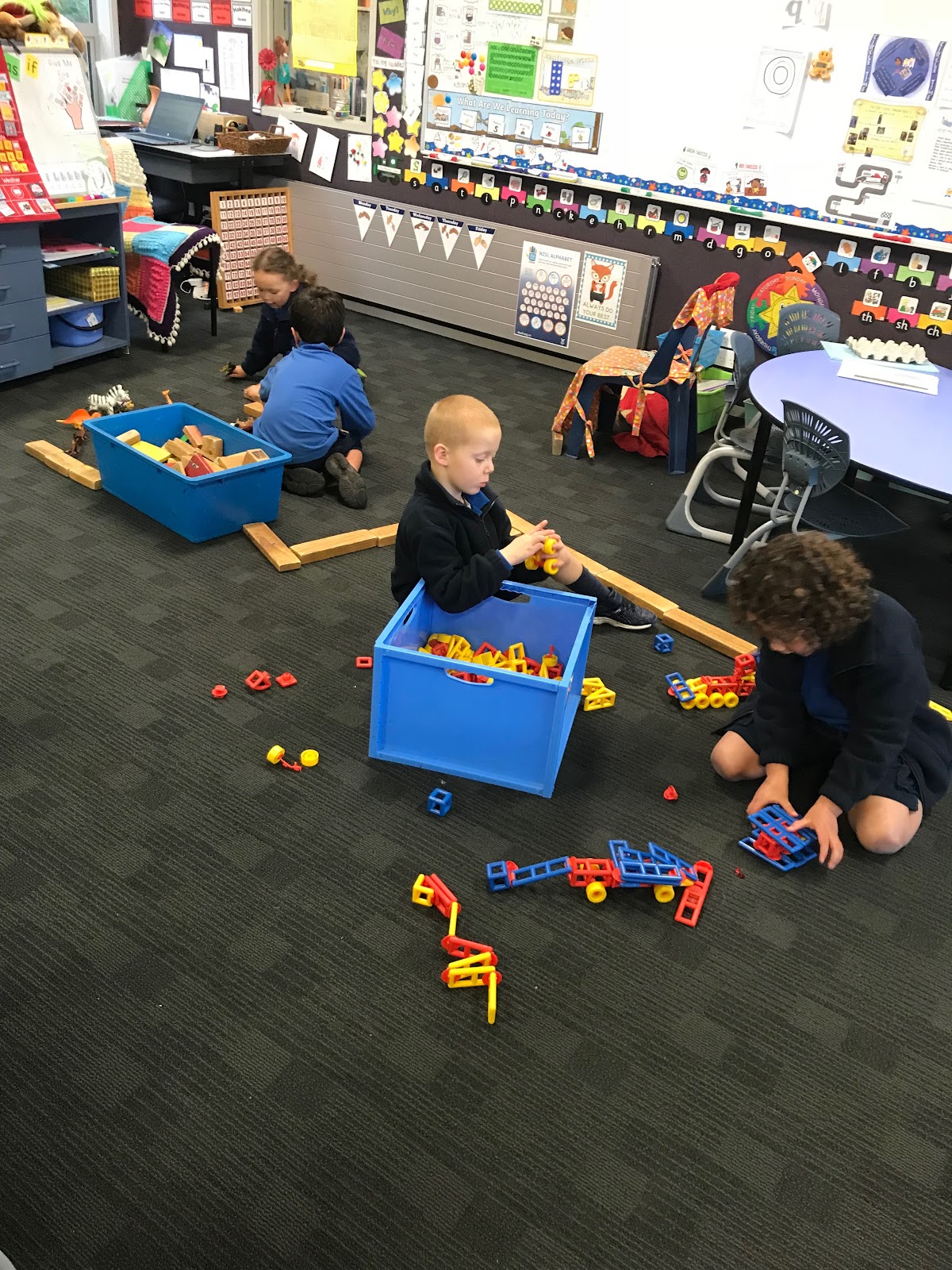
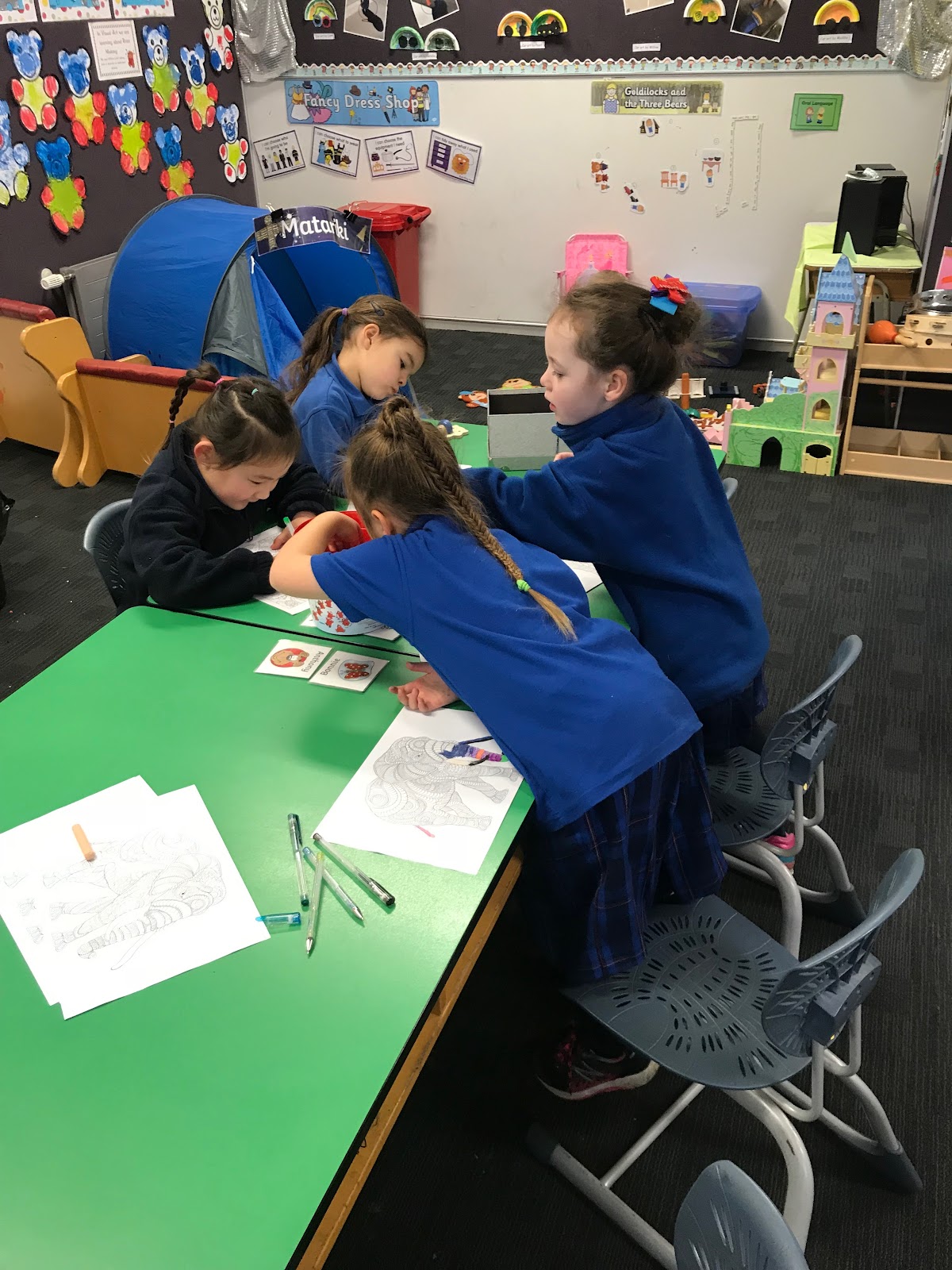
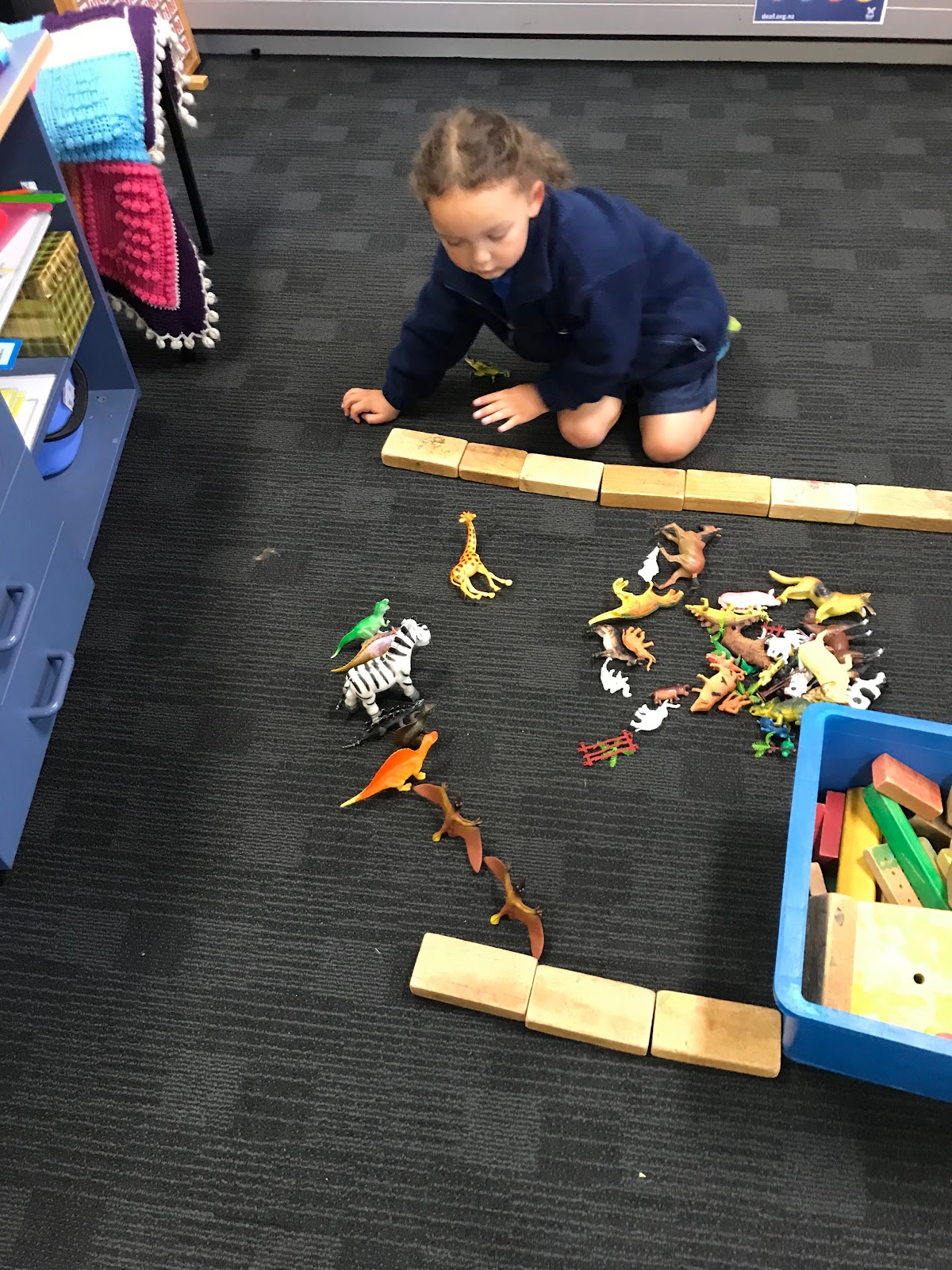
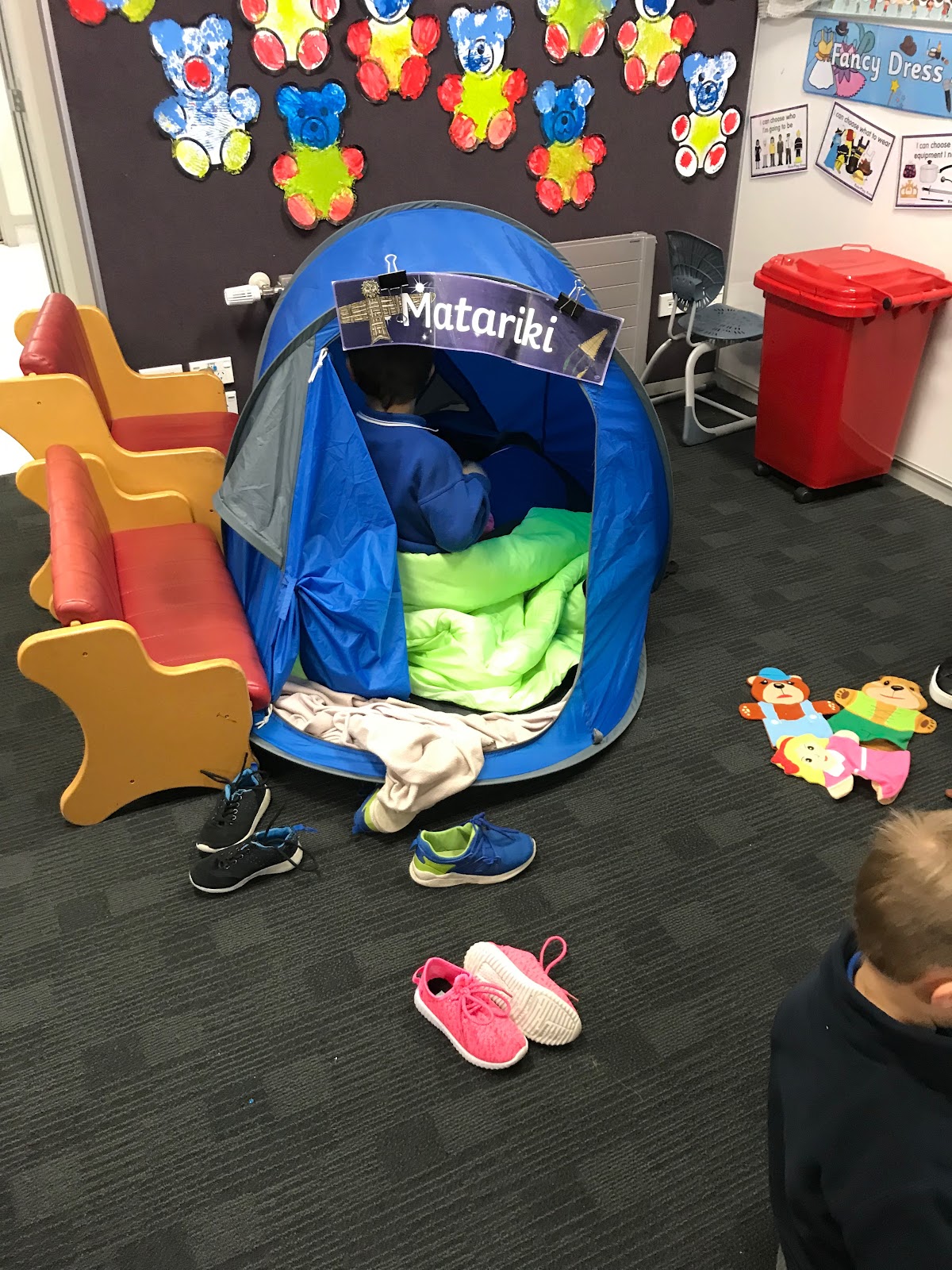


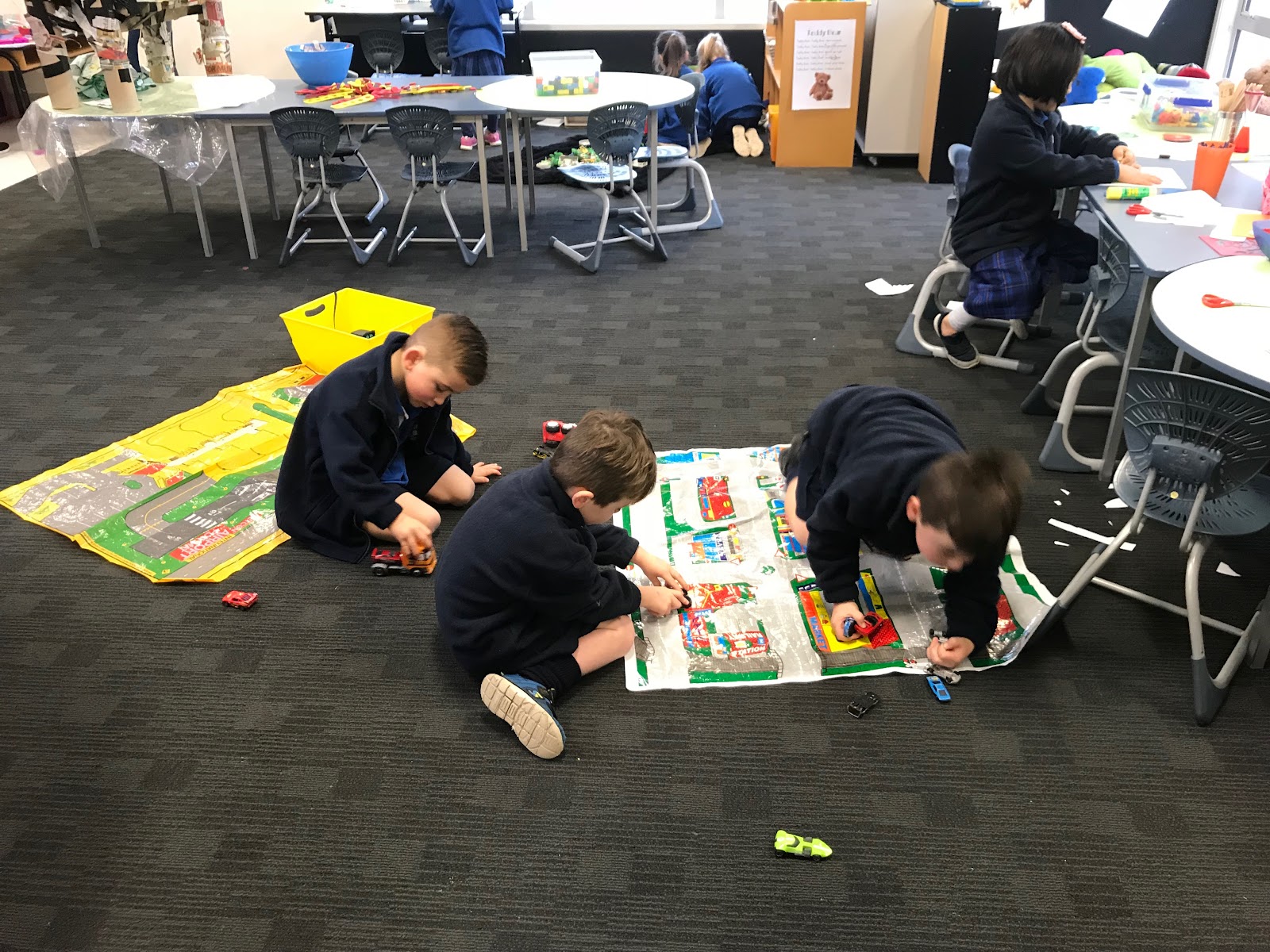
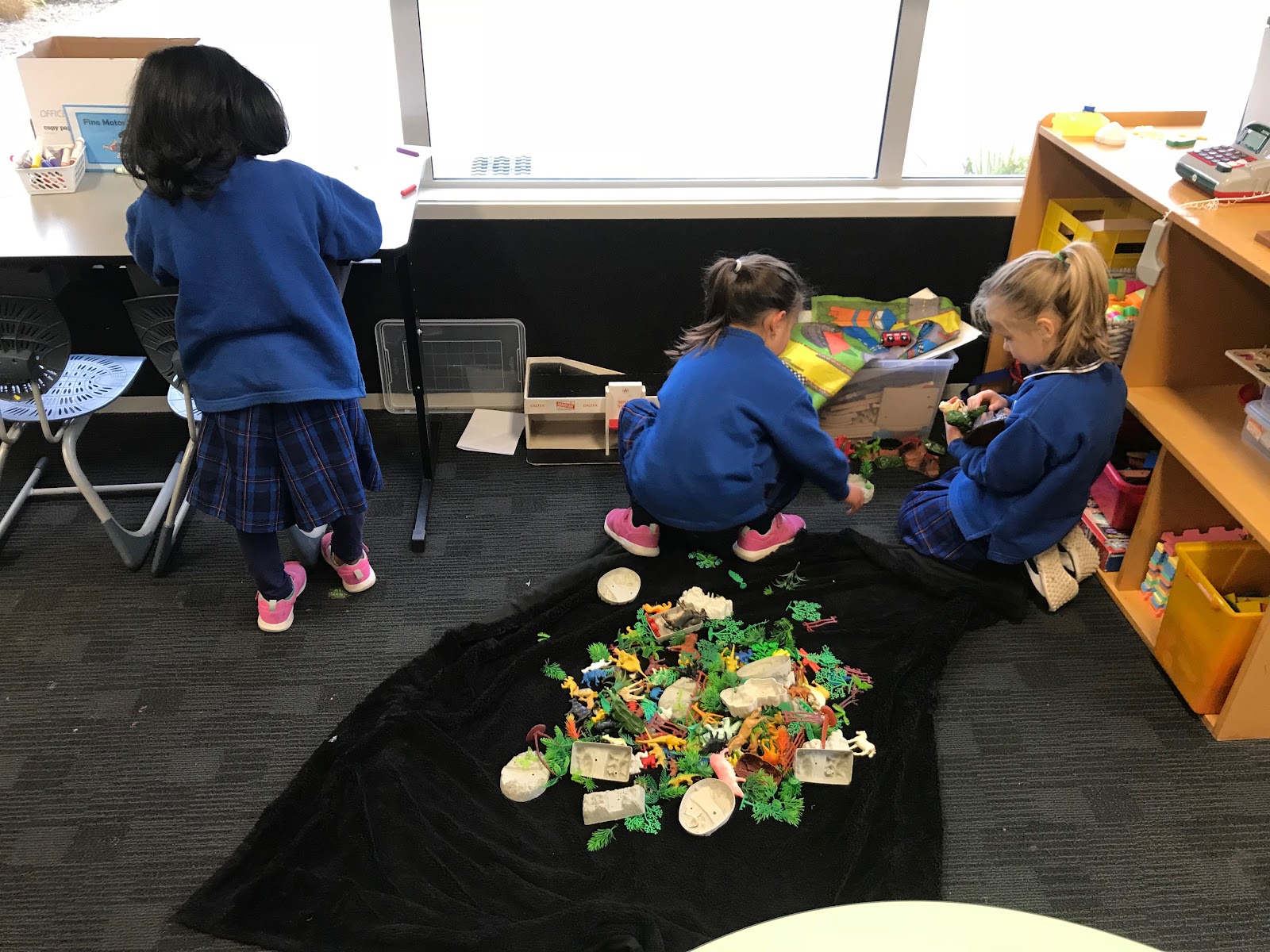
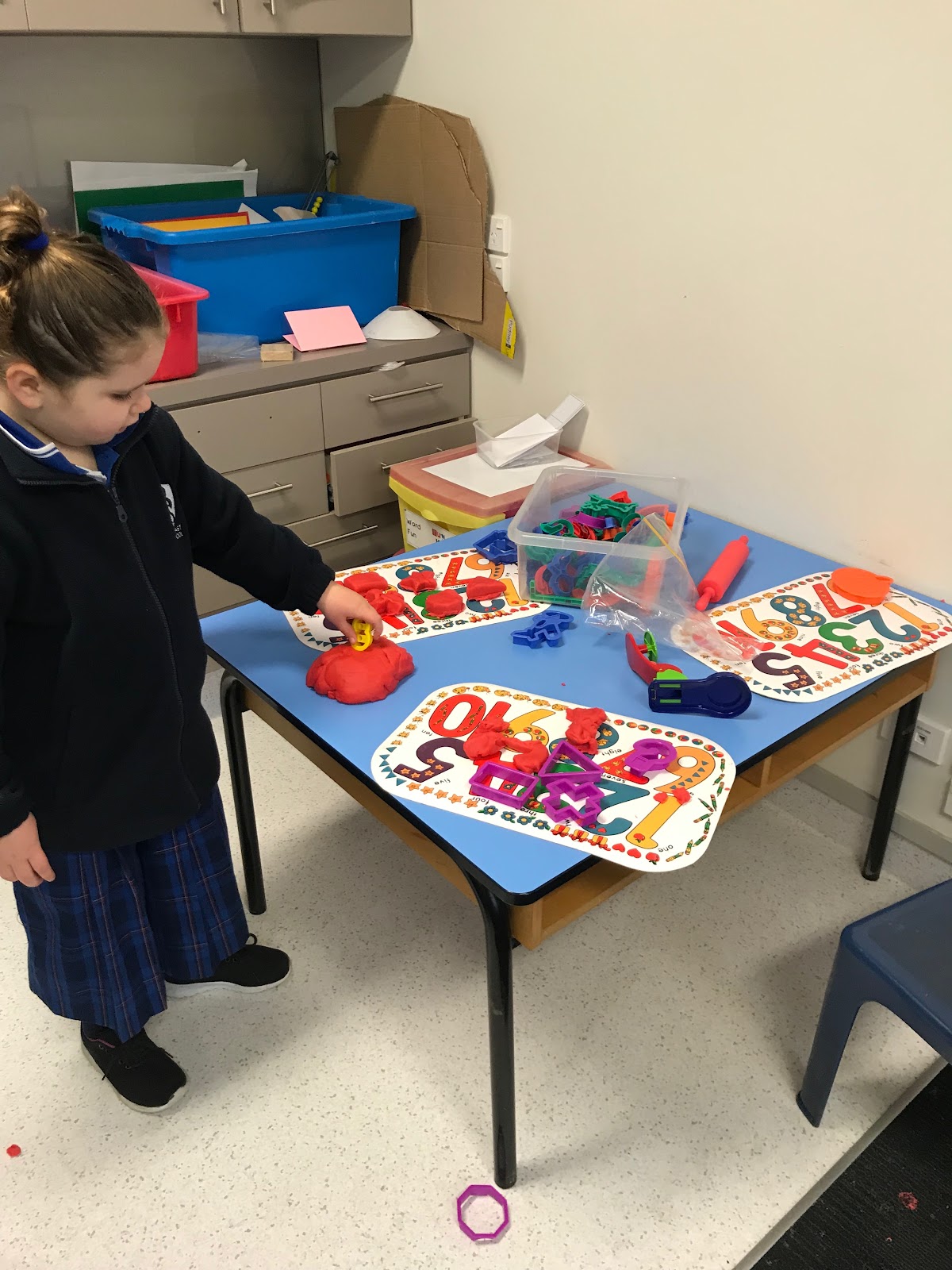
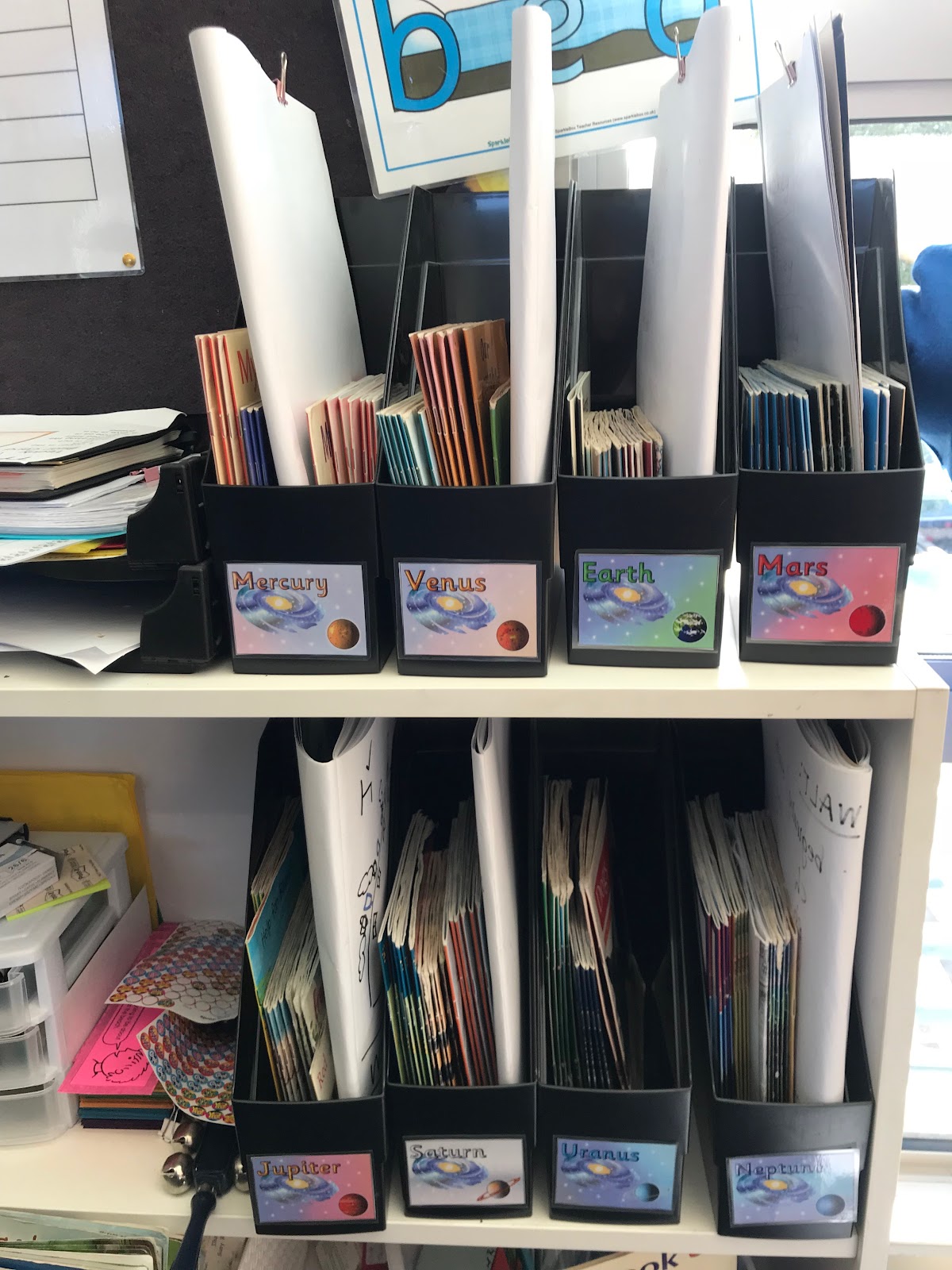
Browsing boxes for each group with previous readers. Read from browsing boxes when waiting for the guided reading session.

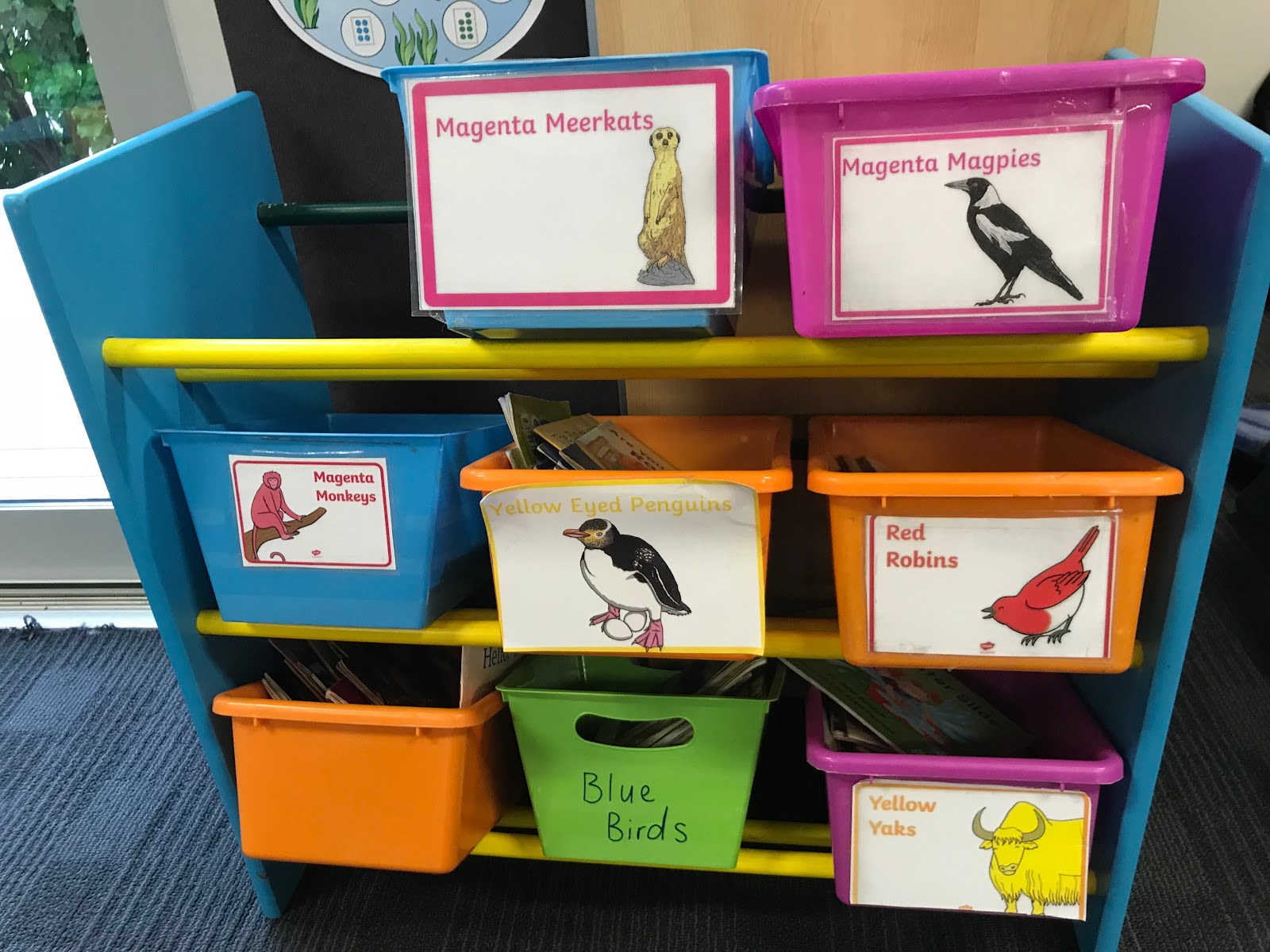
Group 1 observation (red robins)
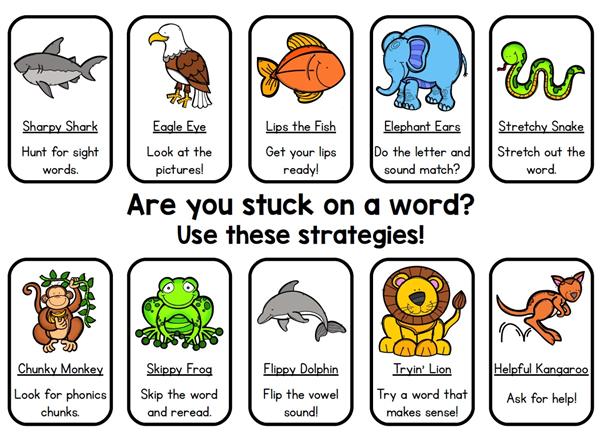
Focus- recap “lips the fish” and what that means, letter sounds
Sally’s snowman (L3)- pre discussion
-show the cover of the book. Why might we choose this book?- Its snowing.
-What season is it?
-What can you make in winter?
-Predict what may happen.
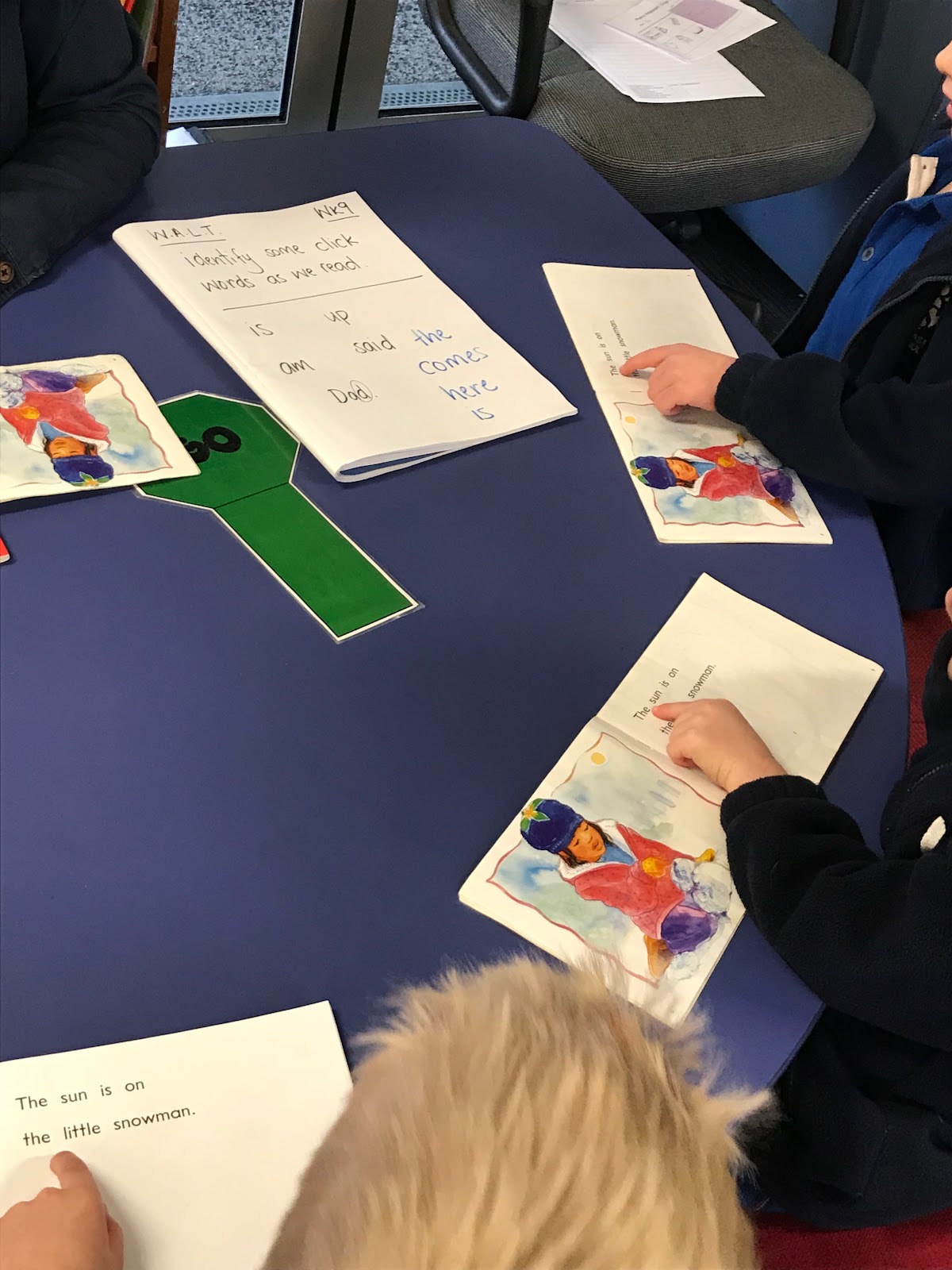
Let’s use our “eagle eyes” and look at the picture-What do you see? How is she feeling?
Finger on the first word. Let’s have a go at reading all by ourselves.
Teacher modelling finger pointing.
Can you find the word “look” because finding our click words is our goal (points to modelling book)
While reading
Where’s the capital letter that goes with that letter (l-L)
Let’s have a prediction... What do you think will happen on the next page?
A tricky word… let’s use “lips the fish” to help us. What’s in the picture that starts with sssss? Let’s try that word to see if it make sense. Tries a few suggestions. Does that sound right? Because it sounds right we better re-read it because we use the “trying lion” and keep on trying.
-look, looking etc

Clipboard for next group sent next door for the third teacher to bring Children through.

Group 2 observation- “Blue birds”
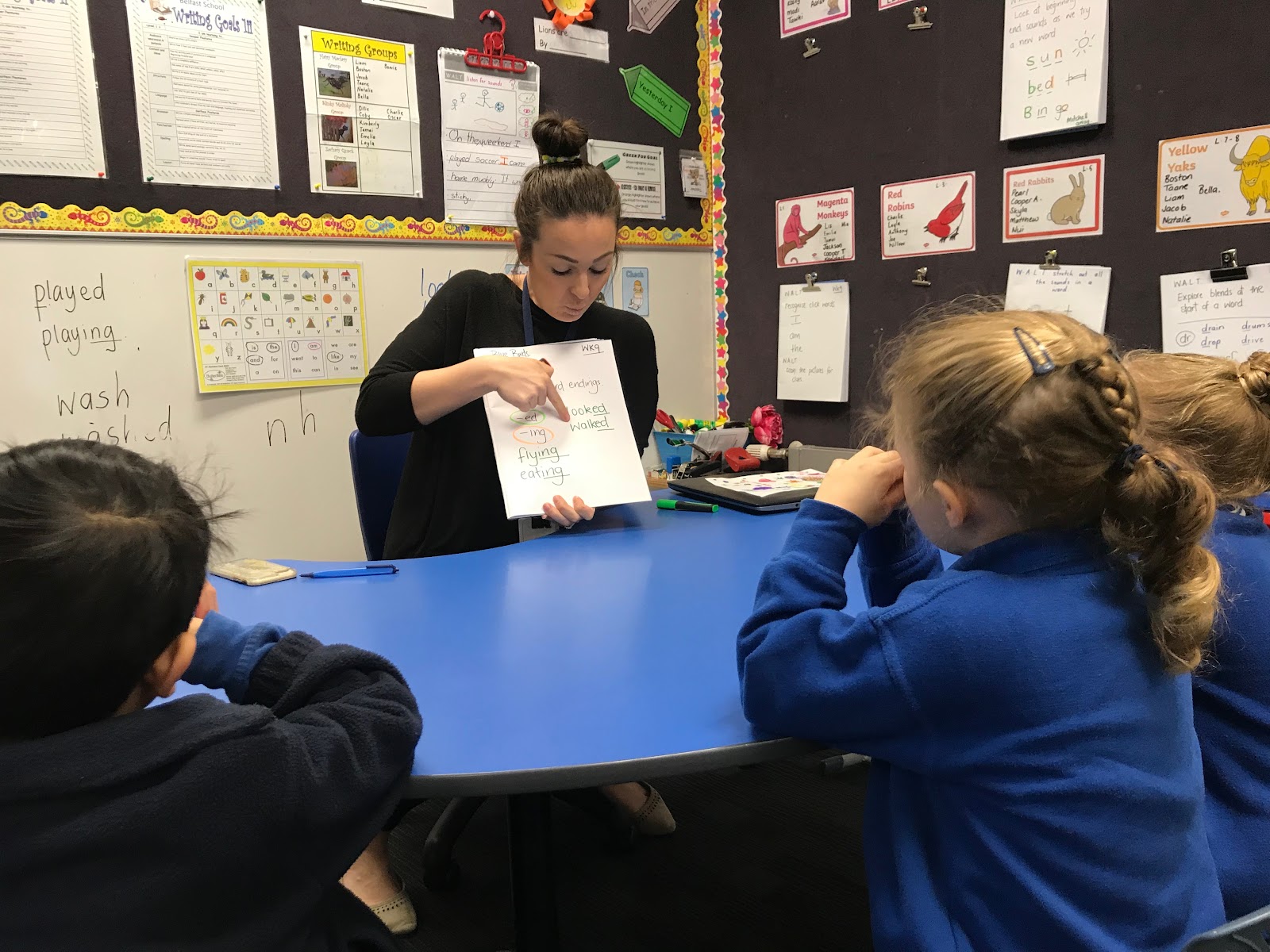
Focus-we have been looking at the word endings. Ed, ing,
Check reading log books.
-use modelling book to go through the focus. Who can tell me the ending in green/yellow etc. what happens to the word play when we add a word ending. Let’s put this word in a sentence.
-re-reading yday book and we are learning to read nice and smoothly.
“Brown mouse plays a trick” level 9.
Let’s start and remember I’m looking for smooth reading, looking at our first word.
Ready, go.
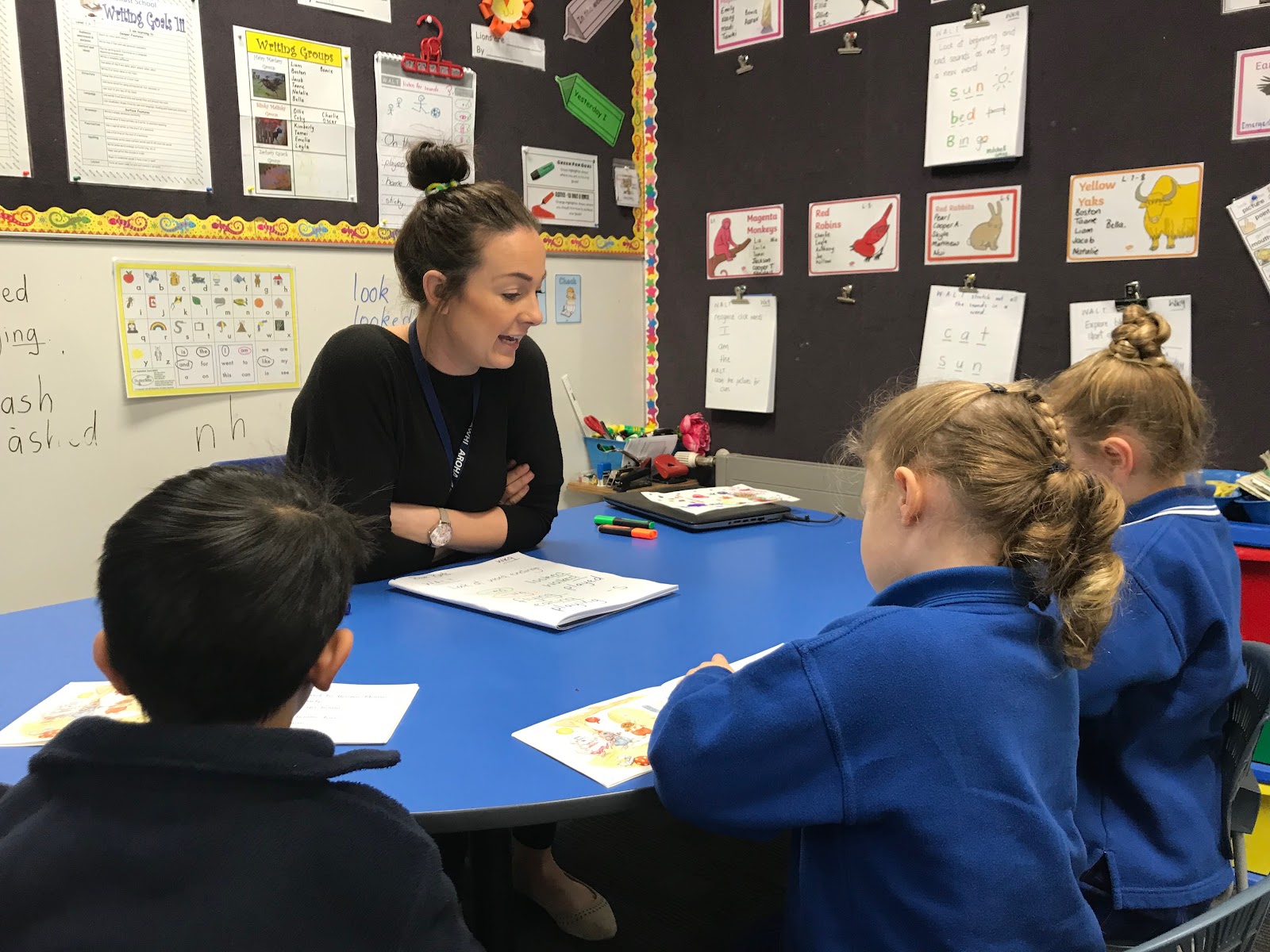
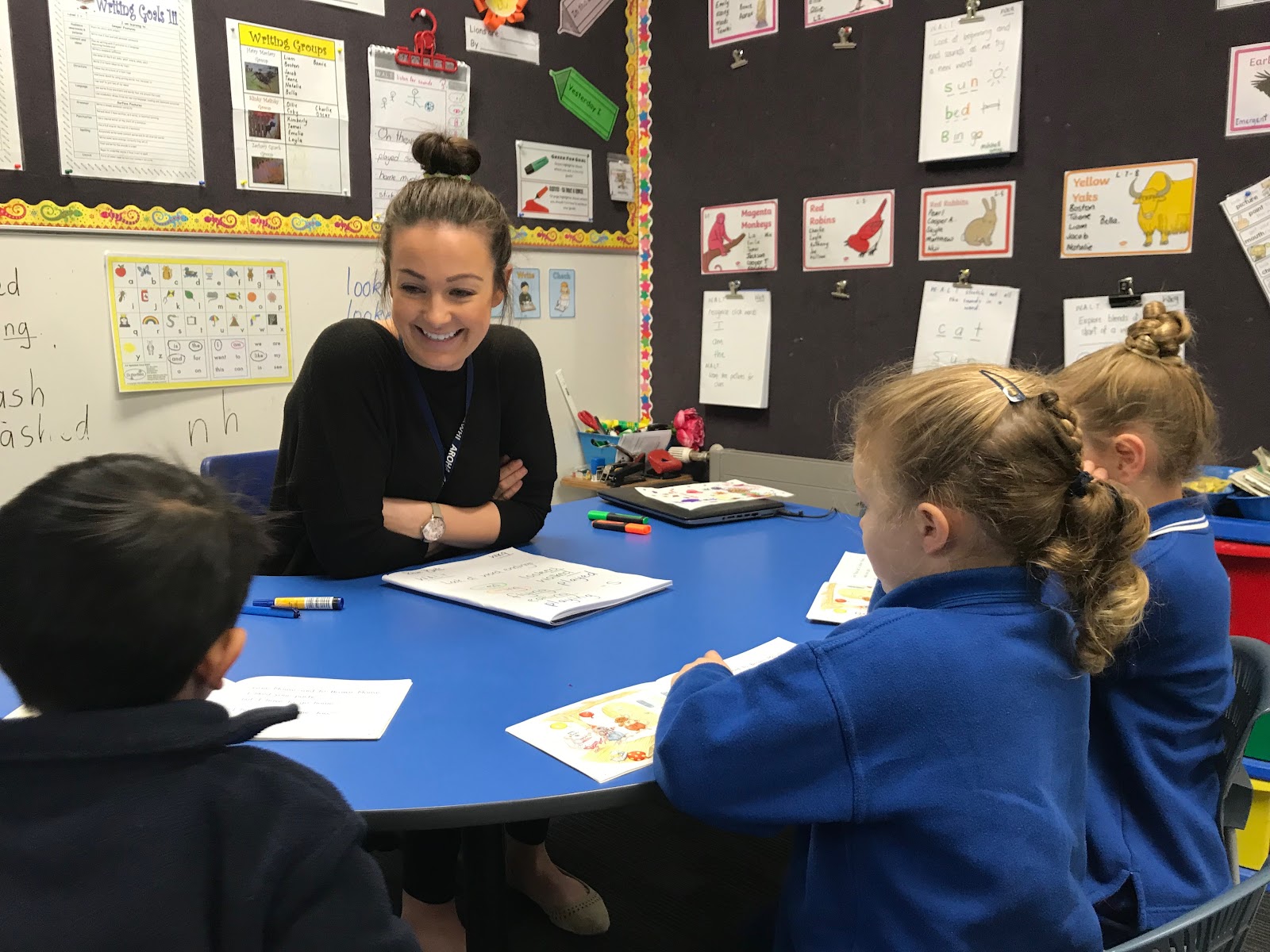
“Liked” save it in your brain and tell me what you saw at the end of the page.
Finger on your nose if you spotted a “ed” word. Added to the modelling book.
Reminded children if they see a word with an ending to save it to the end.
Teacher modelling reading along and pointing when needed.
Put your finger on a word with an “ed” ending. What’s the word?
I want to hear smooth reading. Child 1 will read aloud first. Then child 2 and 3- explained the second two children’s I’ll read in your heads and track with their eyes. Teacher listened to each child and praised their reading.
Recapped prediction from yday.
“Turn the page” let's read this together, ready, go.
What if we changed the word ending in the word looked. Looking- teacher gave sentence examples.
Let’s slow it down and read it together.
Book finished- thumbs up if you agree it was a good trick. Discussion on tricks. Good ending or sad ending to a story.
Books away.
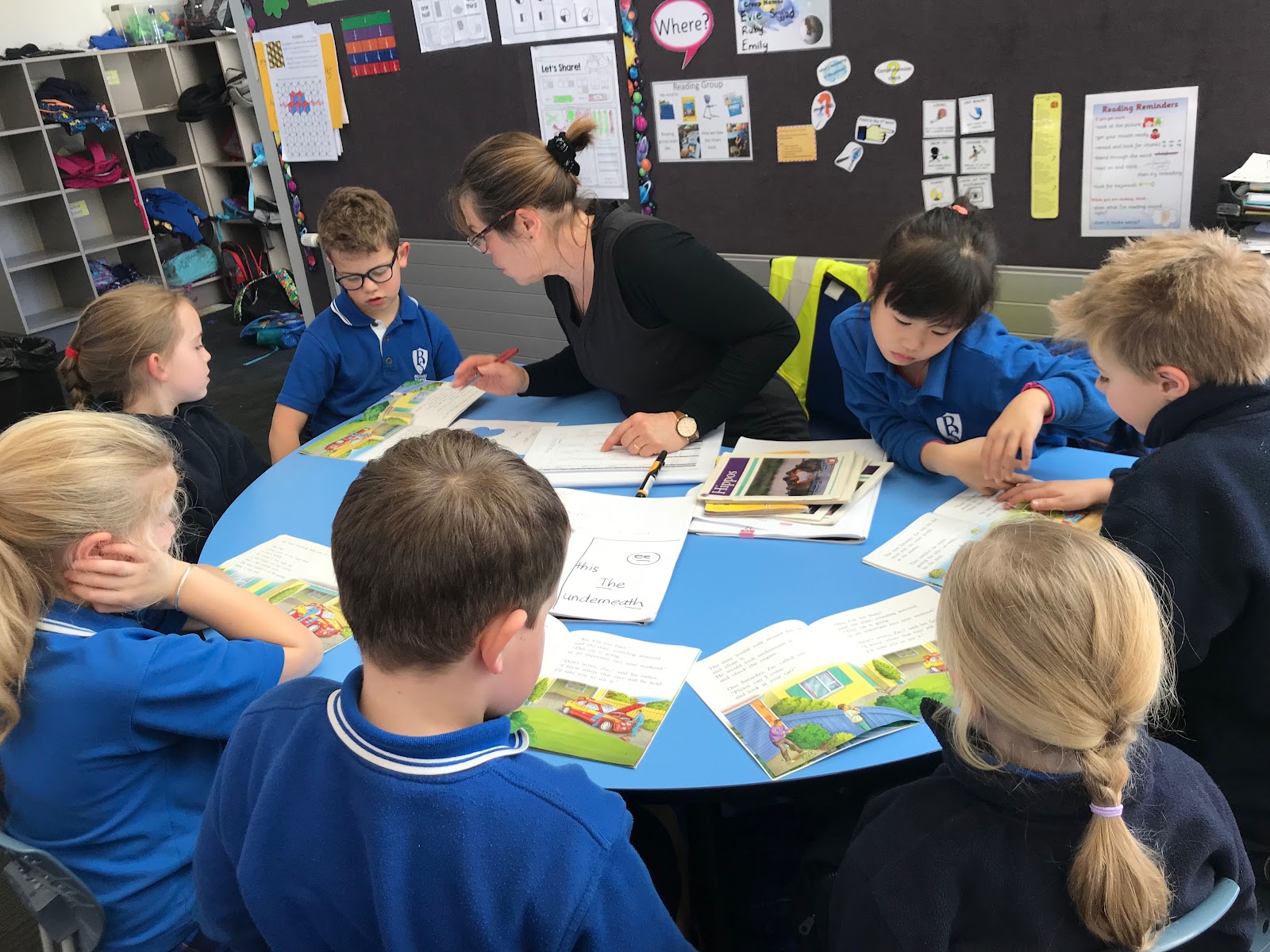
Reading observation Room 6/7
-Blends craft in the main room. Teacher sends children through for the teacher.

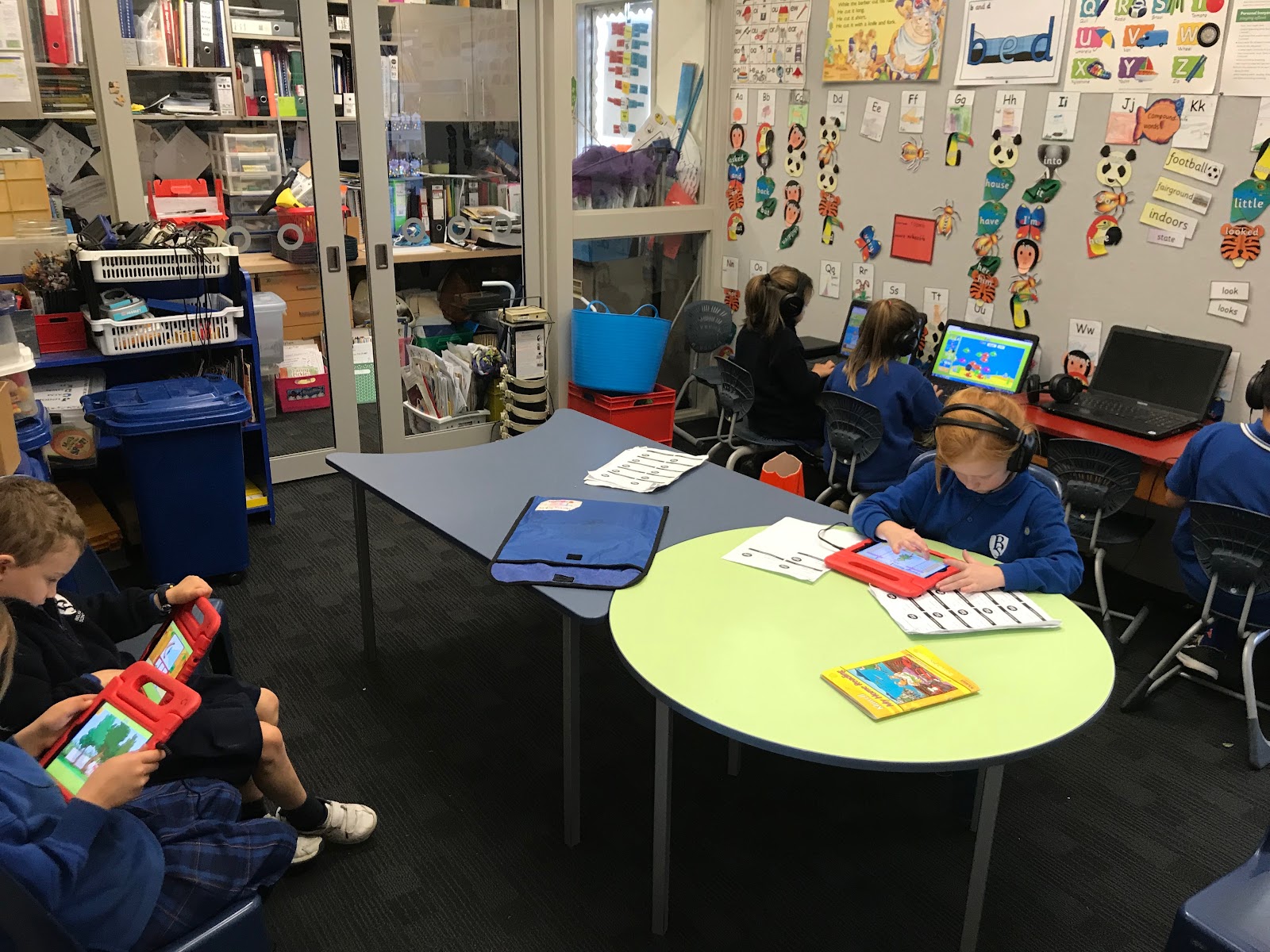
-next group on the mat ready to come up to the teacher
-a group on the iPads in the middle learning space
-roll, checking the whole group is here.
-we are learning to be ready for our reading. Getting out book out, reading folder on the floor and starting to read silently with the old book while waiting.
-shut books, new book
Focus- We are looking at digraphs today
WALT- to find digraph some
What is a digraph- 2 letters, 1 sound
What are some digraphs you know? Ch, sh, ph, th, wh
Record ideas in the modelling book.


”rally car race” level 19.
Discuss the title- what’s a rally? Discuss the meaning.
The main focus is the look for digraphs. “Eyes on the first word” then we are going to “be a detective” and find the digraph.
We are reading together so we may need to read a little slower.
(Picture prompts)
“Be a detective” and find a digraph. Record digraph words in the book.
Now I will read with one person at a time. The rest of you read quietly to yourself and you need to find a digraph then write it in the modelling book. Children recording the words themselves.
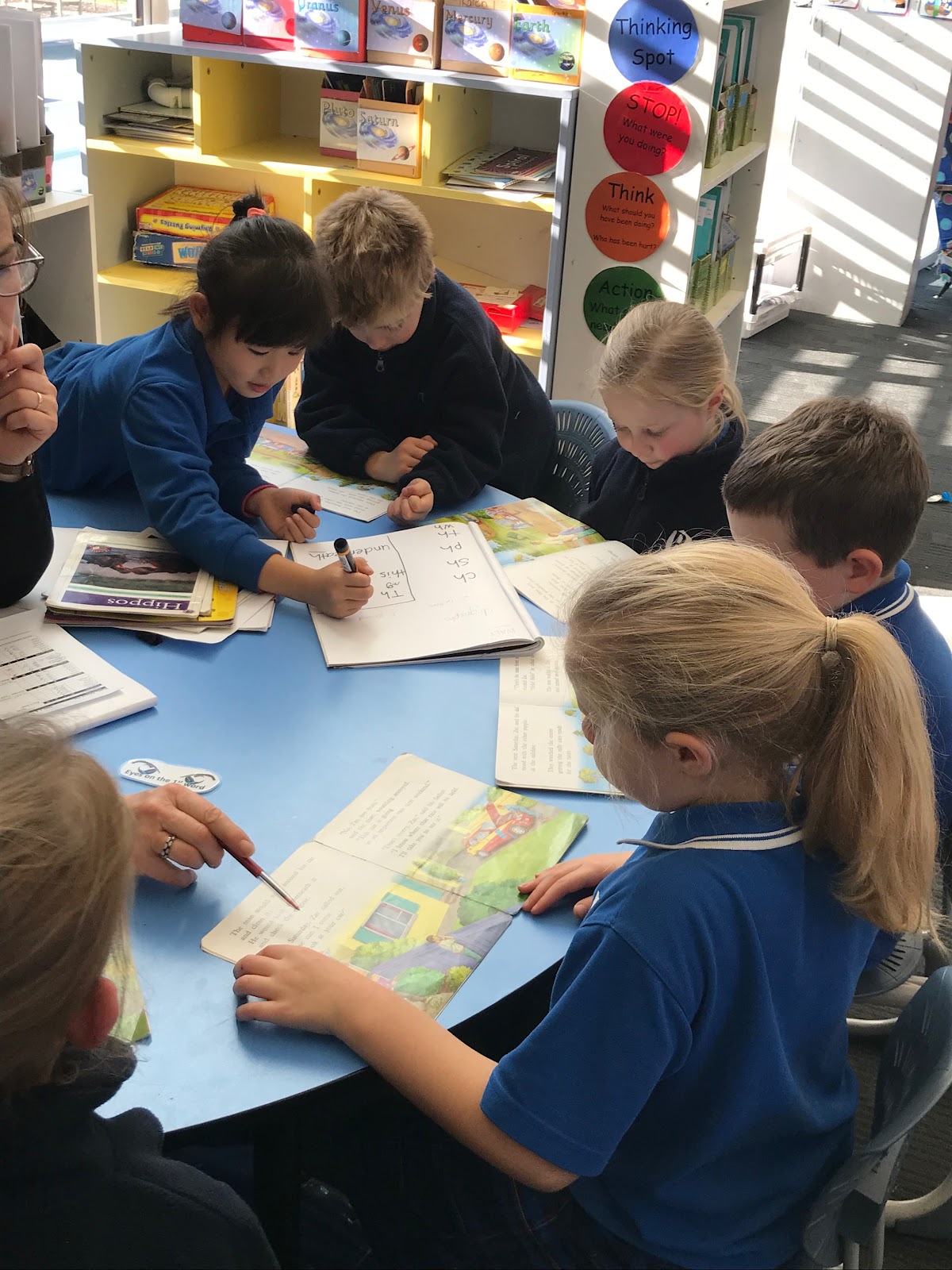
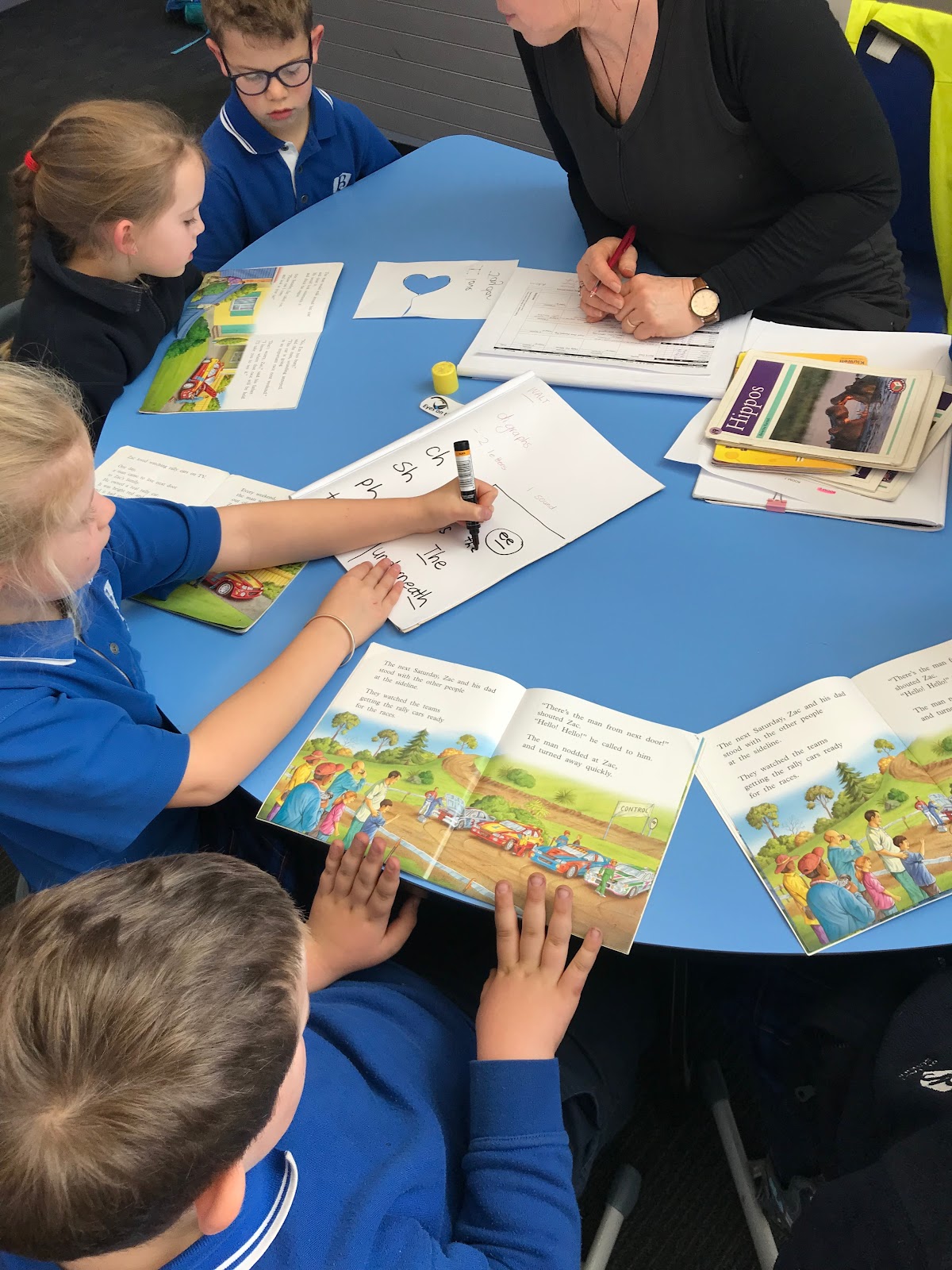
Teacher reading 1:1 and making anecdotal notes as they go.

Reflection from observations today:
I really enjoyed being able to go into other classes and to observe what they were doing with their play based learning and their reading groups. It has been a long time since I have had time to do this. I found it really valuable. I saw many new ideas for play based learning that I am keen to bring up into out setting.
For example, in the new entrant classes they had an open ended craft activity table. There was a lot of different craft pieces for the kids to use like pipe clears, confetti, sparkles, google eyes, different paper, glue, feathers etc. The children really seemed to enjoy being able to make their own creations and take their creations in any direction they choose.


There was a Science table with Inquiry topic activities on for the children to do. I also saw a Numeracy themed table with a range of Maths equipment on that they can use with a range of play type options.
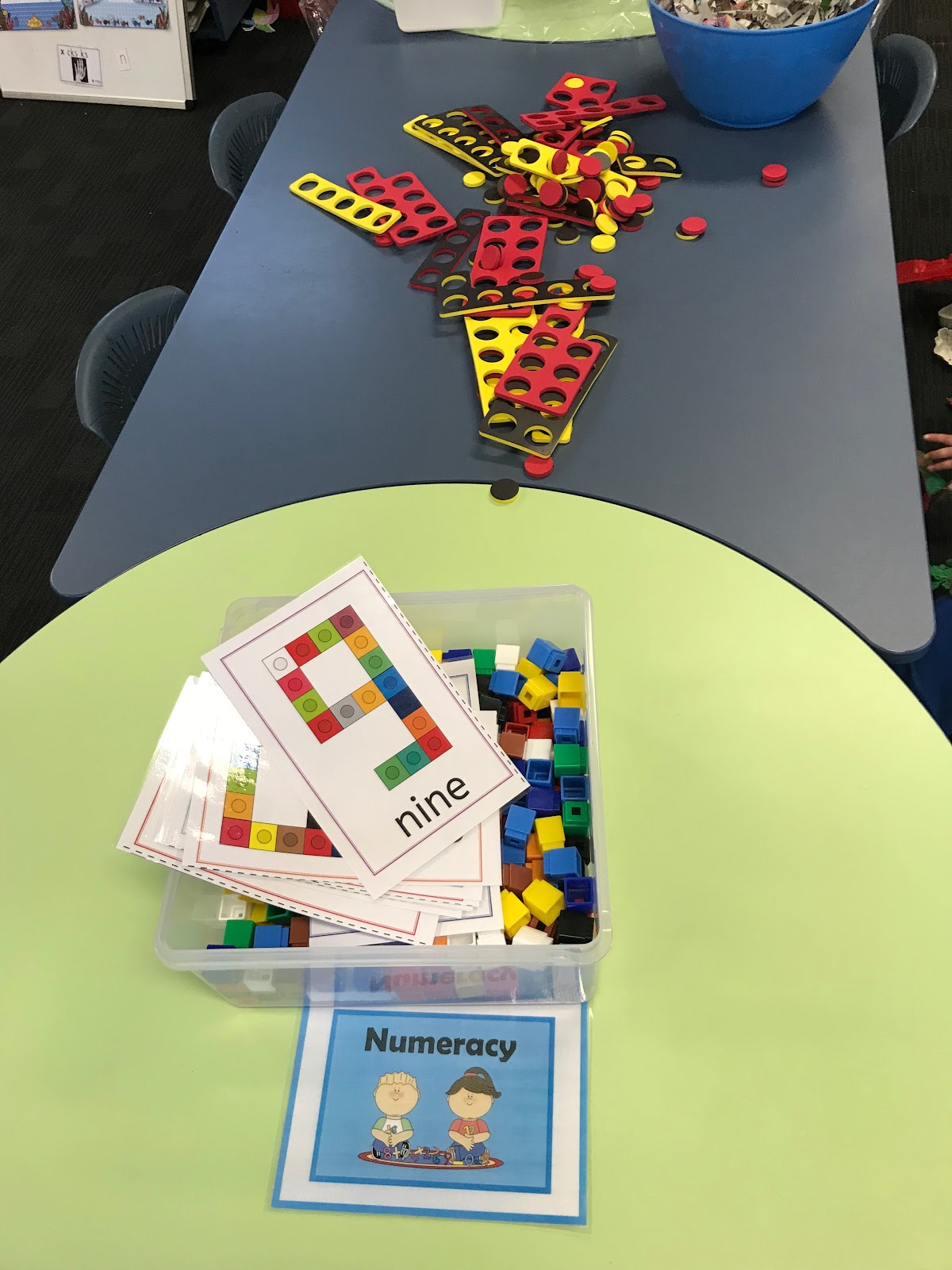

They had a range of building equipment out that the children could use to create things much like what we have in our rooms.
I thought it was great that the NE had musical instruments out for the kids to use and this is something I would love to adapt into our programme as the children love playing with the instruments however in the space we have I am unsure if it would work due to the noise level. This is something I will look into.

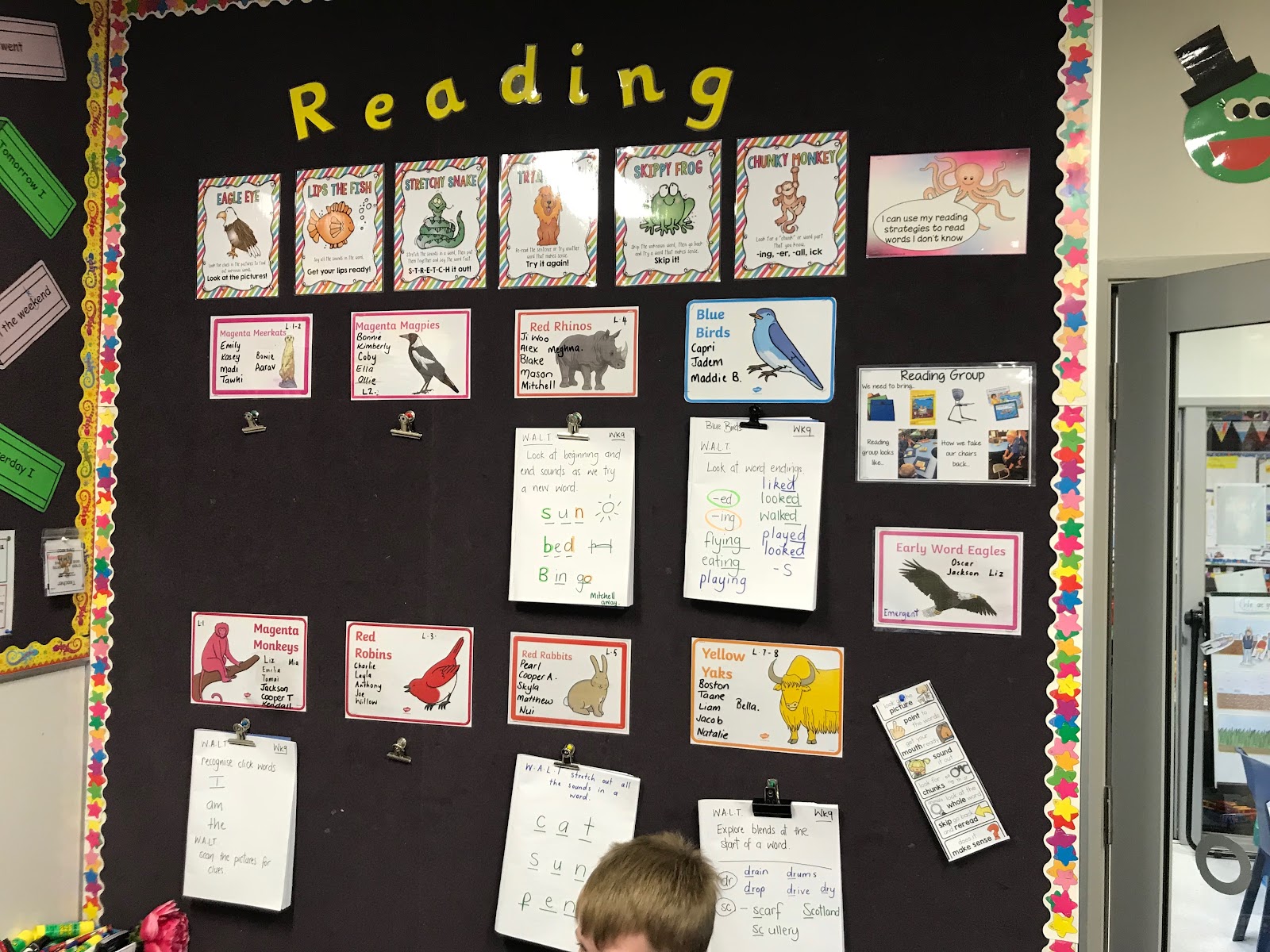
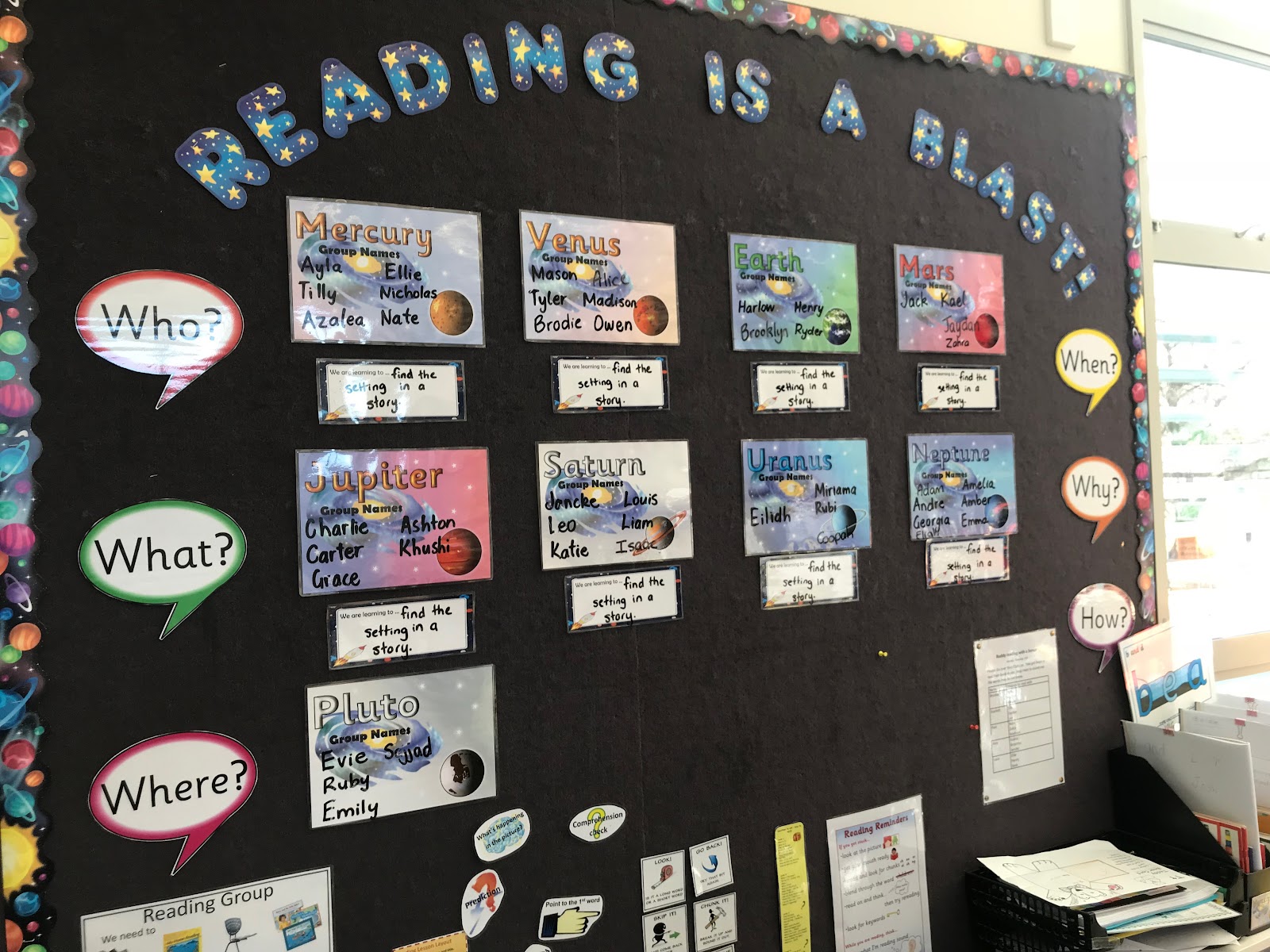
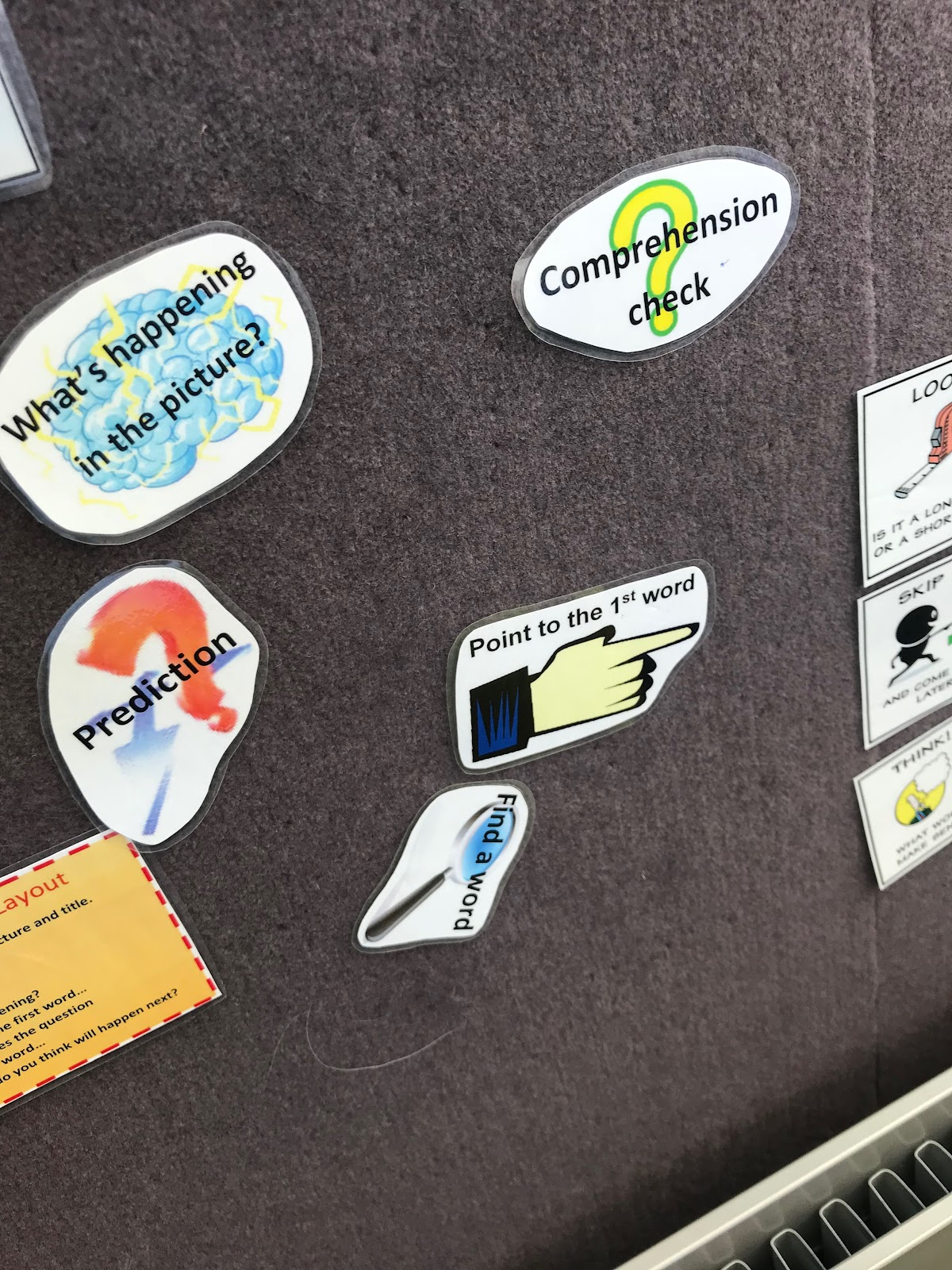
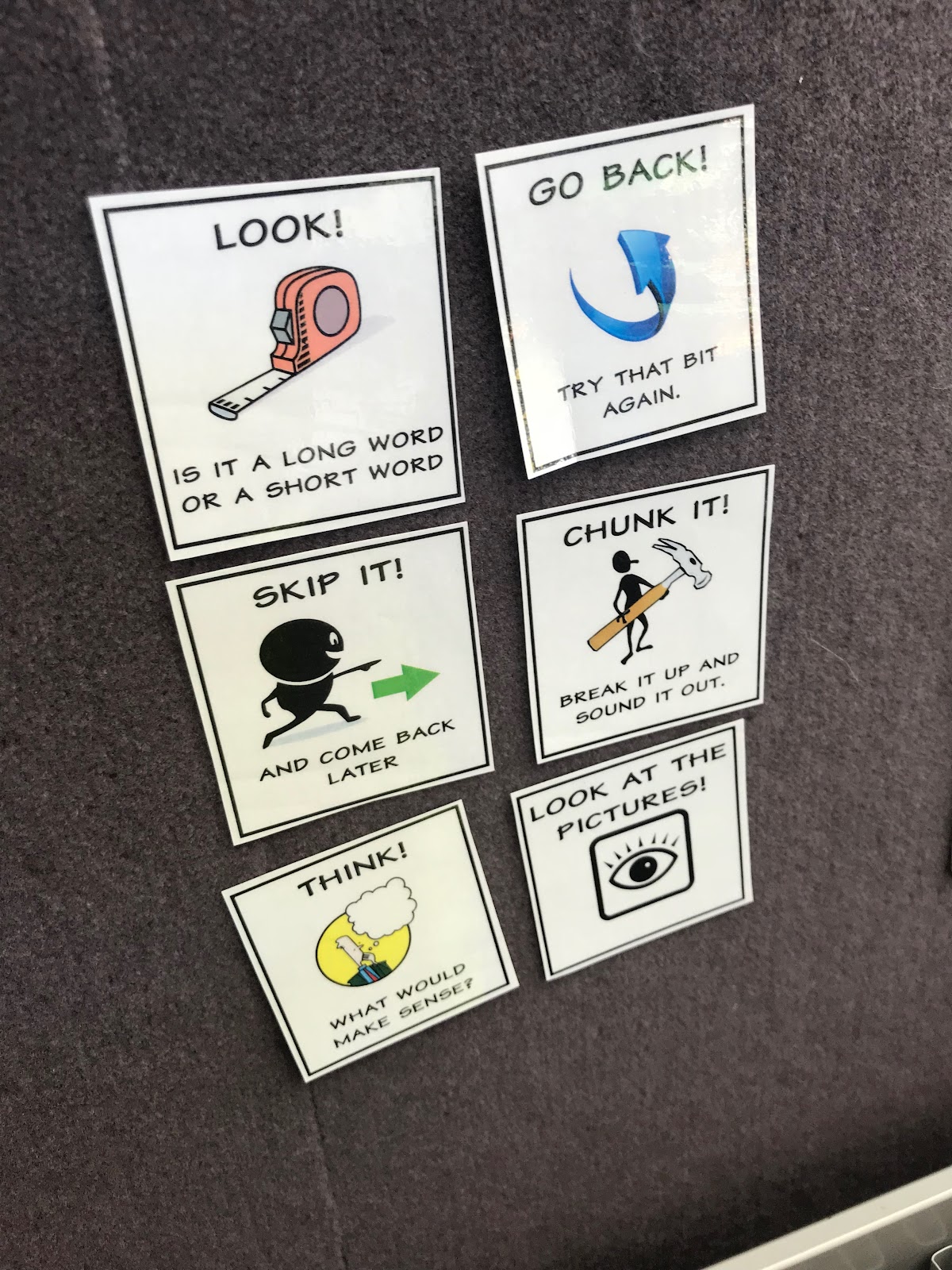
As I was watching the teachers take their guided reading groups I was reminded of some of the reading strategies cards I used to use which I will bring back out to help prompt children to use their reading strategies. There is a great range of reading strategy prompt cards you can use depending on the children's needs so I will make these up.
All teachers used modelling books to show and recap learning. I really liked how one of the teachers got the children to record ideas as they found them while reading themselves while she worked 1:1 with the children. The children really took ownership of this and it kept them very focused on their task. This is something I want to adapt into my reading groups with the higher levels.
From a lot of today's observations I have decided what I am doing with Play based learning and reading is going very well and we are well on the way to having a successful play based setting.